Human + AI Collaboration: The New Creative Workflow
Not long ago, the idea of AI in creative work sounded threatening. Designers, writers, and marketers worried automation would make them irrelevant.
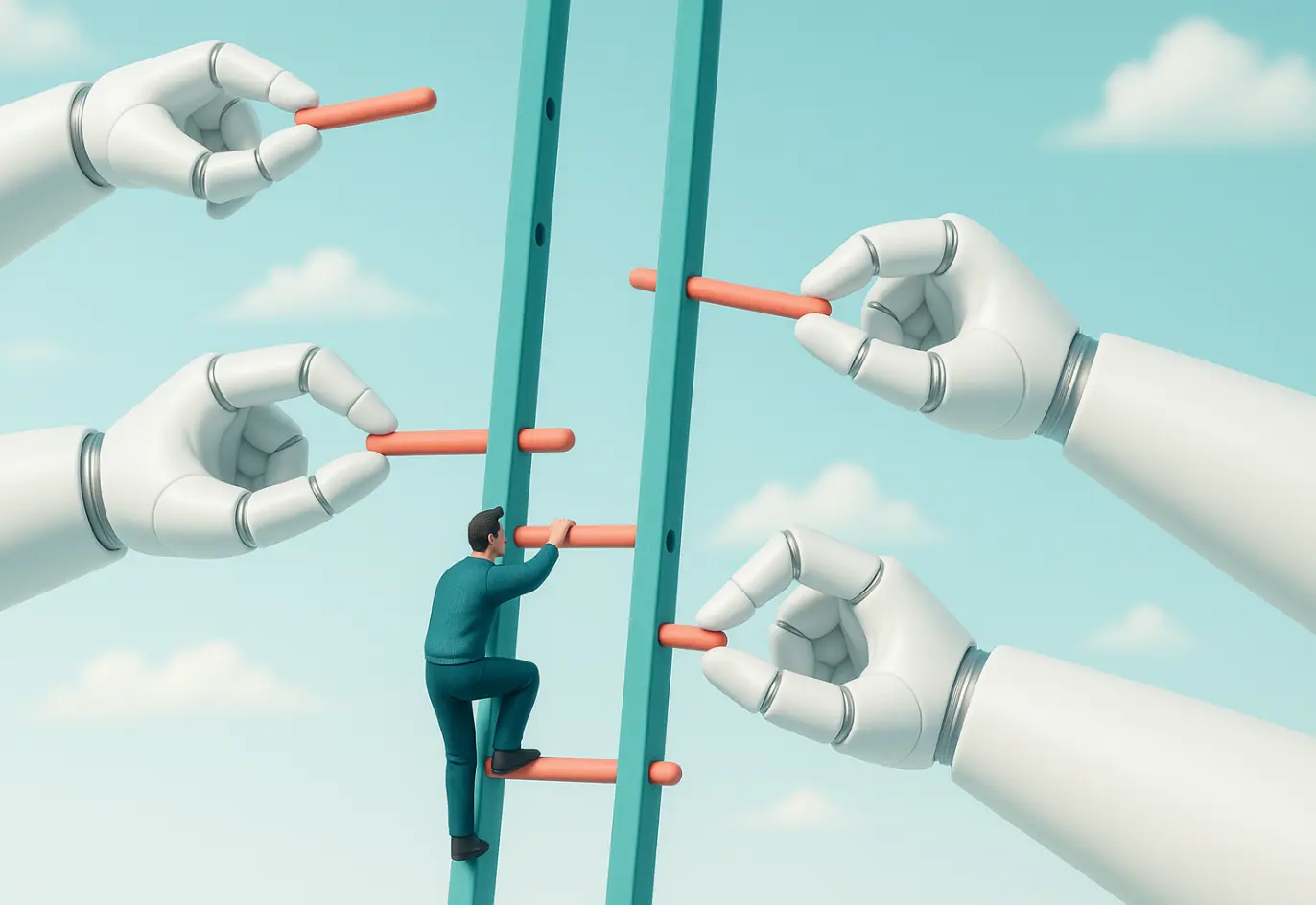
But something unexpected happened: AI didn’t replace creativity — it redefined it. Today, human imagination and artificial intelligence work in sync. AI delivers speed and scale; humans bring empathy, storytelling, and context.
Redefining the Role of Creativity
For decades, creative teams were expected to do everything — strategy, storytelling, execution. Then AI entered the room. At first, it sparked fear: writers worried about automation, designers feared replacement. But those who looked closer realized something powerful:
AI isn’t competition — it’s collaboration.
In 2025, creativity is no longer a solo act. AI accelerates the human spark instead of replacing it. The strongest creative teams blend human intuition with machine precision to work smarter, faster, and more meaningfully. If you want to connect this to everyday content systems, read content marketing in the AI era.
- AI complements creativity — acting as a collaborator that amplifies human ideas rather than replacing them.
- Creative work is now hybrid — a shared process between humans and AI tools.
- The strongest teams merge intuition and precision — combining human insight with automated support.
Divide Strengths, Multiply Impact
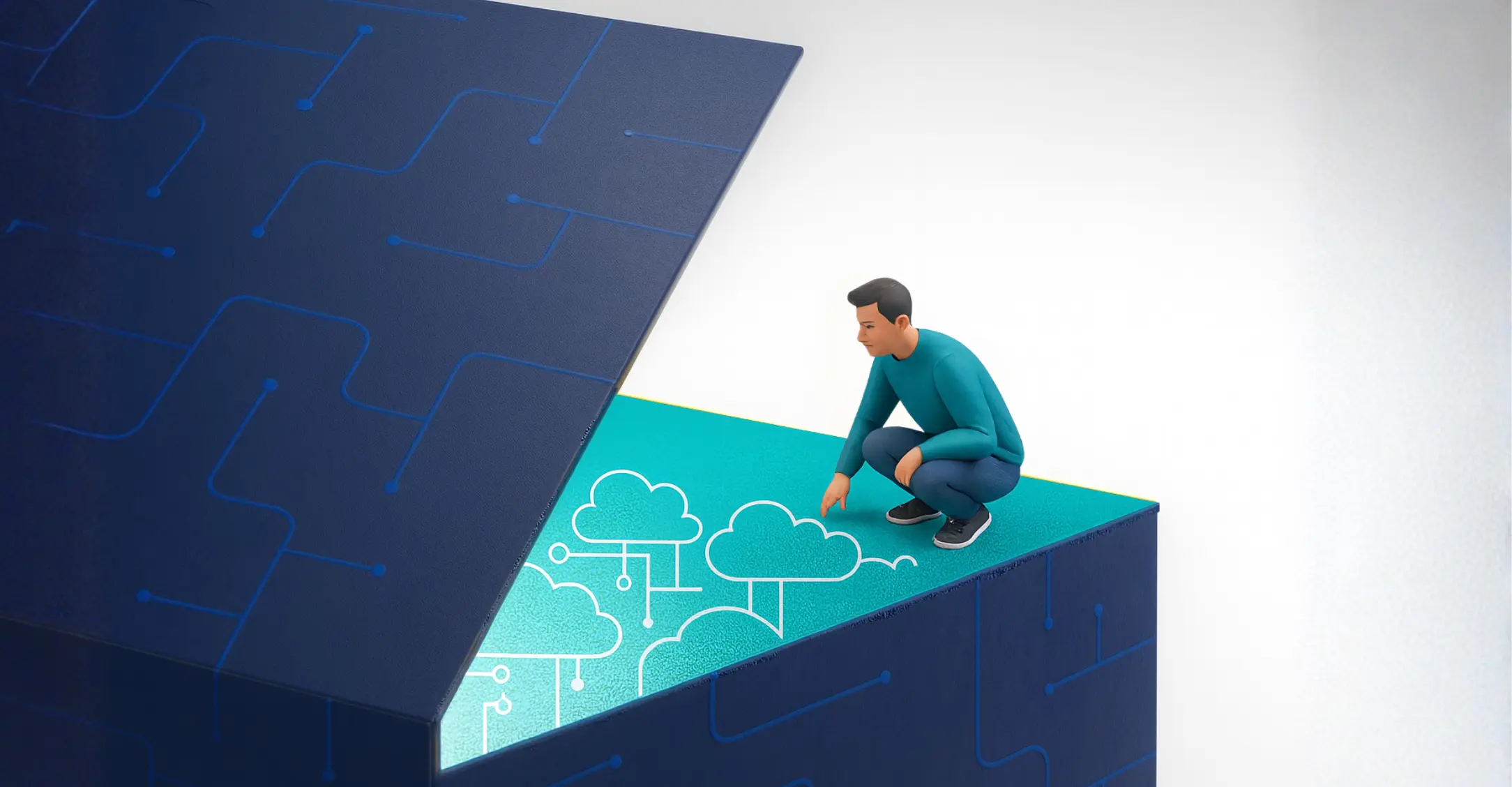
AI and humans think differently — and that’s exactly the point.
AI handles structure, speed, and scale. Humans handle empathy, meaning, and emotion. When those strengths align, ideas move from concept to execution seamlessly.
Creative directors now use tools like ChatGPT, Runway, and Canva AI to build initial drafts, mood boards, and ad variants in minutes. That speed frees up time for the human side — refining story, tone, and authenticity. If your goal is to operationalize this into a repeatable system, this one pairs perfectly: AI tools that simplify content planning.
One design agency reduced production time by 60% using this blended workflow. Their designers stopped spending hours resizing assets and started focusing on what truly mattered: visual storytelling.
How to structure a hybrid workflow:
- Let AI handle structure, speed, and scale — things like first drafts, variations, and asset resizing.
- Keep humans focused on empathy, storytelling, and meaning — the parts machines can’t replace.
- Build concepts fast with AI, then refine manually
- Use AI to remove bottlenecks so creatives can focus on high-value ideas.
Creativity at Scale
Ideas are easy. Execution is hard. AI bridges the gap by making creativity scalable without sacrificing voice.
Writers use Jasper, Copy.ai, and Notion AI to test multiple tones and formats instantly. Designers rely on Firefly, Midjourney, or Leonardo AI to visualize concepts before production begins. Video editors use Pika and Runway to auto-sync visuals and pacing.
That means more output, faster delivery, and fewer creative bottlenecks. One content studio now produces triple the monthly output with the same team size. Their clients noticed — not because of the speed, but because of the quality.
How AI scales creative output:
- Use AI writing tools to test multiple tones, formats, and hooks in minutes instead of hours.
- Leverage visual AI tools to prototype concepts before committing to full production.
- Adopt AI video tools to automate syncing, pacing, and basic edits — while humans shape the story arc.
- Build systems where your team can ship more campaigns without sacrificing quality or voice.
The Opportunity Most Miss: Meaningful Human Oversight
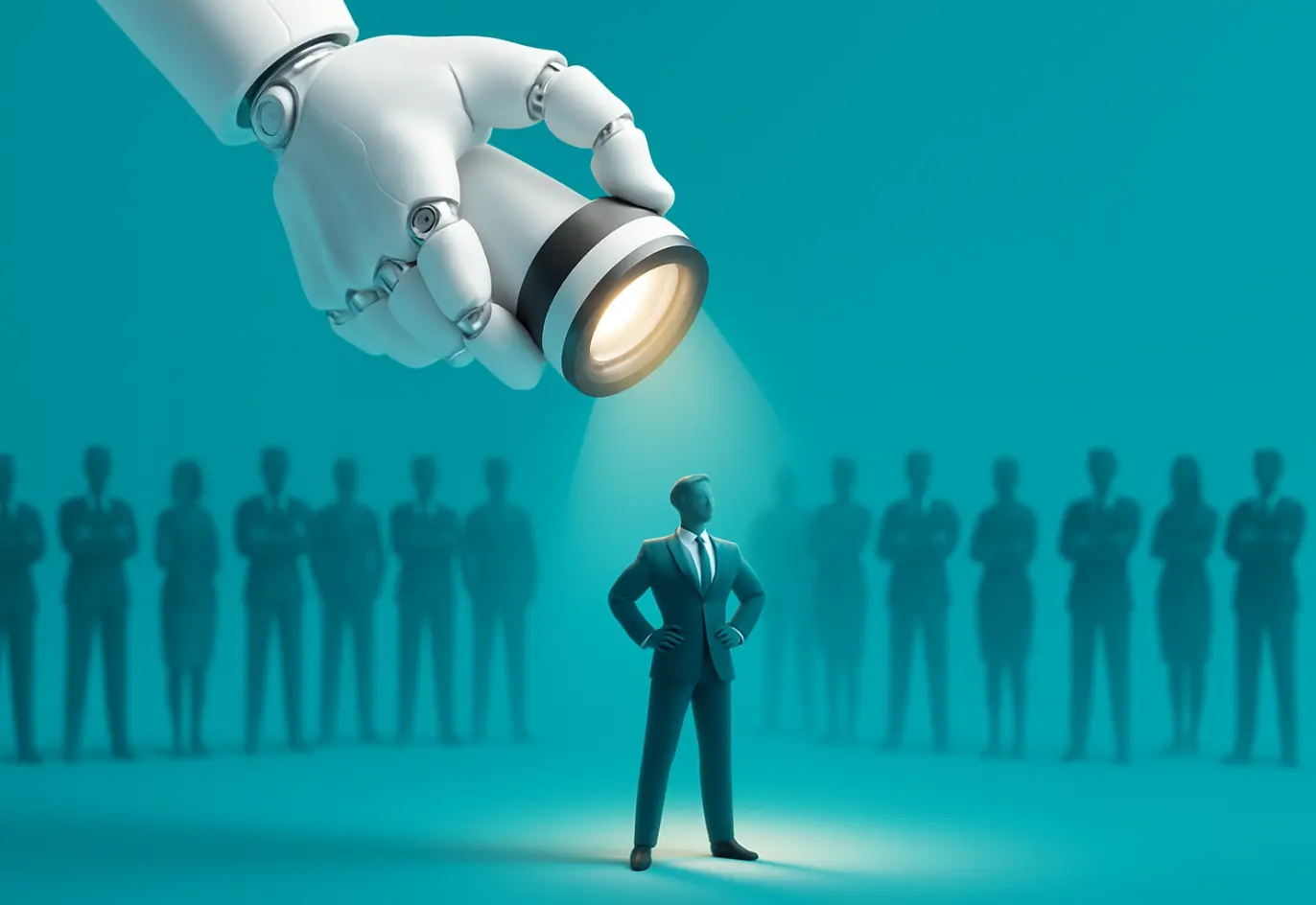
AI can generate infinite ideas — but it can’t decide which ones matter. That’s where humans win.
One marketing director uses AI to produce 20 headline options. Her team chooses the one that feels emotionally correct.
As she says: “AI gives me options. Humans give them meaning.”
How to keep humans in the driver’s seat:
- Define tone and purpose before using AI.
- Use AI to generate many options, then rely on human judgment to choose what feels emotionally right.
- Treat AI as a partner that requires direction.
- Use automation to explore possibilities — not replace decision-making.
The Hybrid Era Has Begun
The creative process has never been faster — or more human.
AI handles repetition. Humans deliver relevance.
In 2025 and beyond, creative teams fall into two categories:
- Those who see AI as a shortcut
- Those who see it as a collaborator
The second group will define the next decade of design, storytelling, and innovation.
Because creativity now lives at the intersection:
where logic meets imagination and data meets design.
Ready to Build Your Hybrid Creative Workflow?
At SIEL Marketing, we help brands create AI-powered creative systems that amplify human imagination — not replace it.
If you're ready to blend strategy, storytelling, and smart automation, let's co-create the next chapter of your marketing.