
How AI Will Transform E-Commerce in 2026: From Clicks to Conversations
E-commerce used to be a numbers game. Brands ran ads, chased clicks, and optimized for mechanical conversions. It was all about traffic, funnels, and conversion rates — not about the actual experience of shopping.
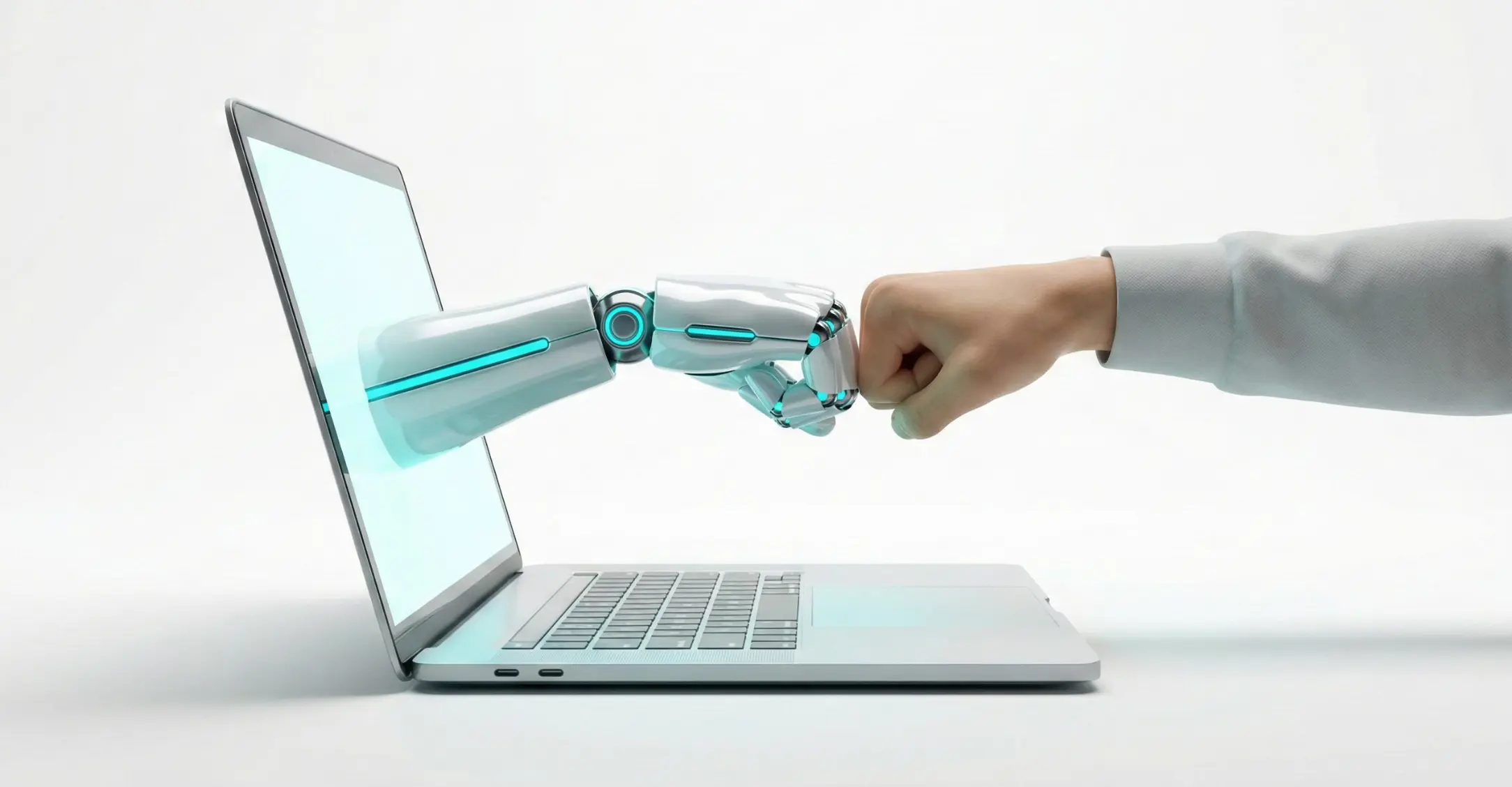
But 2026 will mark a turning point. AI will transform digital storefronts into adaptive ecosystems — reading behavior, predicting intent, and personalizing every interaction. Instead of talking about “traffic,” the best brands will talk about “conversations,” as online stores finally begin to listen and respond like real people do.
From Product Pages to Predictive Journeys
The most successful e-commerce brands won’t think in pages or funnels — they’ll think in journeys. And those journeys will be powered by prediction, not guesswork. One piece many brands still underestimate is how much the visual layer influences trust and conversion — especially at speed. Here’s a practical guide to AI-powered product photography.
- E-commerce will shift from static product pages and funnels to predictive, adaptive shopping journeys.
- AI will track micro-behaviors like scroll depth, pause time, hover patterns, and browsing rhythm to anticipate intent.
- Real-time profiles will evolve with every interaction, adapting faster than any human marketer could.
- A skincare retailer using AI-driven recommendations saw a 38% lift in average order value when hydration-related bundles surfaced the moment users hovered over moisture products.
Hyper-Personalization Will Be the New Differentiation
In a world of copy-paste ads and generic product grids, personalization won't be a nice extra — it will be survival. AI will make sure no two shopping experiences look exactly alike. But personalization only works when content stays human and consistent — this deep dive on content marketing in the AI era ties it together.
How brands will stand out in 2026:
- AI will customize every touchpoint — email, website, chatbot, and ads — based on each visitor’s behavior and stage in their journey.
- Tools like Dynamic Yield, Bloomreach, and Shopify Magic will adjust recommendations, content order, and even tone in real time.
- New visitors will see discovery-focused content, while loyal customers will see appreciation and upsell journeys — not repetitive messages.
- Brands that lean into AI-powered personalization typically see 5–8× higher engagement than static, one-size-fits-all campaigns.
When Automation Meets Emotion
Automation will handle the heavy lifting — but emotion will keep it human. The real power of AI in e-commerce won't be sending more messages; it will be sending the right message at the right time, in the right tone.
What this will look like in practice:
- Modern AI chatbots will move beyond scripted replies to understand nuance, humor, and frustration — responding with empathy, not just answers.
- Chatbots will handle refunds, recommendations, order tracking, and reassurance while keeping the brand voice consistent.
- Platforms like Klaviyo AI and HubSpot Predictive CRM will use behavioral signals to reach out before customers churn.
- One apparel brand recovered over $180K in abandoned carts using AI-timed, empathy-based emails — without relying on heavy discounts.
The Opportunity Most Will Miss: Invisible Optimization
While most teams obsess over creative and ad strategy, AI will quietly transform the parts of e-commerce that customers never see — pricing, inventory, and logistics. It's not flashy, but it's where a huge portion of profit will be won or lost.
Behind-the-scenes advantages of AI:
- Predictive analytics will forecast demand spikes before they happen, helping brands avoid stockouts and excess inventory.
- AI-driven pricing and promotion engines will quietly test and optimize offers in the background to protect margins.
- Logistics and fulfillment will be fine-tuned with AI routing, faster delivery estimates, and smarter warehouse allocation.
- One furniture brand using AI demand forecasting cut storage costs by 22% and eliminated Q4 stockouts — all through optimization shoppers never saw.



From Data to Dialogue
E-commerce is moving beyond one-off transactions into ongoing dialogue. AI will give brands the power to be present, responsive, and human-like at scale — turning every click into a potential conversation. And as personalization becomes more powerful, trust becomes non-negotiable — here’s how to approach AI ethics in e-commerce.
But here's the truth: AI itself isn't the advantage — your use of it is. The same tools are available to everyone. What will set brands apart is how they blend technology with empathy, creativity, and a deep understanding of their customers.
So ask yourself:
- Is your store still reacting — or predicting?
- Are your emails simply automated — or do they feel personal?
- Are your customers treated as numbers — or as long-term relationships?
At SIEL Marketing, we help e-commerce brands move from guesswork to guided journeys — using AI not just to automate, but to deepen connection. If you're ready to turn clicks into real conversations in 2026, let's build your next chapter together.